
Cacti Care Guide
Search for Cacti on Solé Paris NZ — help us create one more Kiwi job!

Cacti, belonging to the family Cactaceae with 127 genera, are known for their unique shapes, sizes, and their ability to thrive under
various conditions. From the tall and lanky to the short and spherical, cacti are fascinating plants with a myriad of species to fall in
love with. This guide will walk you through the basics of caring for these resilient plants.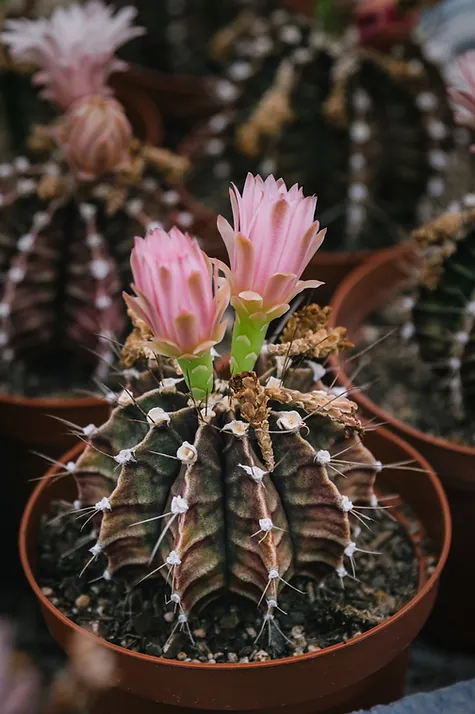
Light Requirements
Cacti flourish in environments with abundant light:
- Indoors: A north-facing windowsill is ideal to provide as much light as possible.
- Outdoors: In spring and summer, a partly shaded area protects them from direct sunlight and rain.
Insufficient light leads to etiolation, where cacti stretch and lose their characteristic shape.
Watering Schedule
Allow the soil to dry out completely between waterings:
- Spring and Autumn: Water once every two weeks.
- Summer: Increase watering to once a week.
- Winter: Reduce watering to once a month.
Be cautious of overwatering, as this can lead to root rot.
Soil Composition
Use a loose, well-draining cacti and succulent mix to ensure proper water drainage and oxygen supply to the roots.
Temperature Preferences
Cacti love heat and do best in the warmest parts of the house:
- A north-facing windowsill during growing seasons ensures warmth.
- During winter, keep them in a warm room, especially important in cooler climates like New Zealand's South Island.
Humidity Considerations
High humidity is detrimental to cacti, originating from dry, hot environments. Avoid terrariums to prevent humidity build-up and potential
root rot.
Fertilization
Cacti benefit from minimal feeding:
- Once a year in early spring, use a specific cacti and succulent fertilizer to encourage blooming.
- Avoid using regular houseplant fertilizers, which can harm them.
Propagation Methods
Propagation varies among species:
- Seeds: Most cacti are propagated from seeds requiring germination.
- Pups: Some species produce pups that can be removed and rooted, ideally when they have their own root system.
- Cuttings: For some species, cuttings should be left to callus before potting, which can take 6 - 8 weeks or longer.
Conclusion
Cacti offer a unique blend of beauty, resilience, and diversity. By adhering to the care tips outlined in this guide, you can ensure your cacti remain healthy and vibrant, showcasing their natural splendor. Whether you're a seasoned collector or a newcomer to the world of cacti, there's always something new to learn and appreciate about these remarkable plants.
Happy cacti gardening!